
Have you noticed the subtle change in the air? The weather is getting cooler, and the days are growing shorter—fall is finally here. For plant parents, this season brings important considerations since your plants may slow in growth, drop leaves, or even struggle a bit. It might be time to invest in grow lights to help your plants thrive during these darker days.
Indoor gardening has never been easier than ever before. LED grow lights allow you to cultivate a wide variety of plants in any climate, at any time of year. These lights are specifically designed to mimic natural sunlight, stimulating photosynthesis and providing the optimal color spectrum for plant growth. With the right fixture or bulb, you can enjoy delicious tomatoes in the dead of winter or keep your violets blooming year-round.
If you’re considering adding artificial light, here’s a guide on how to choose the best LED grow lights for indoor plants and how to set them up properly.
RELATED: 9 Essential Tips for Keeping Your Houseplants Healthy
On This Page
How Can I Tell If My Plants Need More Light?
What’s the Difference Between Regular Bulbs and Grow Lights
Choosing A Grow Light Type
What Grow Lights Should I Use for My Indoor Plants
How to Use LED Grow Lights for Indoor Plants
Related Posts
How Can I Tell If My Plants Need More Light?
If your plants thrive in the spring and summer but struggle during the rest of the year, it might be time to add supplemental light to your living space. Providing a few extra hours of light in winter can rejuvenate houseplants and keep overwintering outdoor pots healthy until the next growing season. Supplemental light can also encourage certain plants to flower and bear fruit.
To avoid stress-related issues, watch for these signs indicating that your plants need more light:
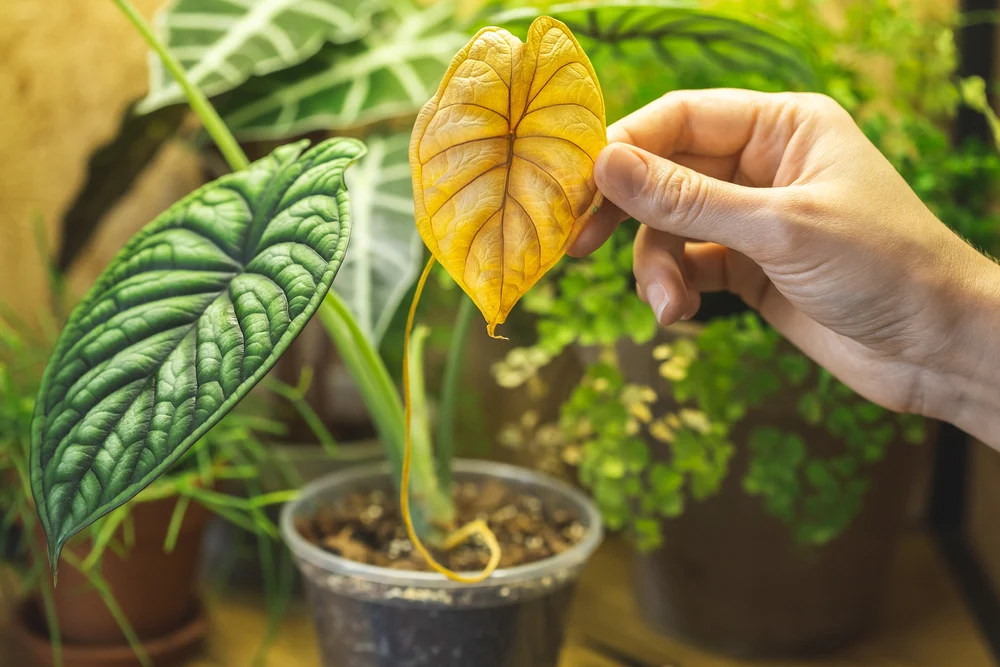
- Dying or Yellowing Leaves
- Slow or Stunted Growth
- Leggy or Spindly Stems
- Pale or Faded Coloration
- Reduced Flowering or Fruiting
- Drooping or Wilting Appearance
What’s the Difference Between Regular Bulbs and Grow Lights
Should you replace the bulbs in your existing lights with special grow bulbs, or invest in a brand new fixture with built-in lighting? The choice depends on your priorities—whether you’re looking for convenience and cost-effectiveness or specialized quality.
Grow light bulbs are the more affordable option and are typically easier to use. You can simply replace the bulb in an old lamp or ceiling light with a specially designed grow bulb.
Grow light fixtures, while more expensive, offer a comprehensive solution. A single fixture can illuminate multiple plants, dispersing light evenly throughout the space. Since these fixtures are specifically designed for growing plants, they typically provide a fuller light spectrum than standard grow bulbs.
Choosing A Grow Light Type
There are several types of grow lights to choose from. The best grow lights generally depend on the right spectrum of light needed and the design to go for.
Types of LED Grow Lights Based on Spectrum
Full Spectrum LED Grow Lights
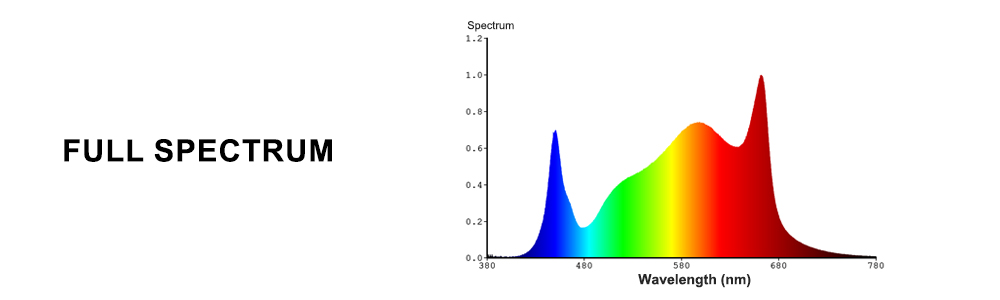
Full-spectrum LED grow lights are designed to closely mimic natural sunlight, providing a balanced and complete spectrum of light essential for the healthy growth and development of plants. These lights typically feature a mix of cool and warm white LEDs, along with specific wavelengths of blue, red, green, and sometimes UV and far-red light. While the balance of colors and wavelengths can vary between different brands and models, most tend to emphasize blue and red light to enhance their effectiveness.
source. Mars Hydro
RELATED: LED Grow Lights for Cannabis: Understanding PAR and PPFD
Broad Spectrum LED Grow Lights
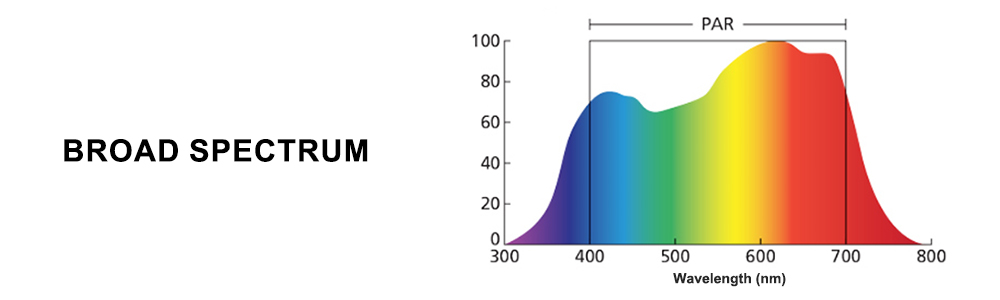
Similar to full-spectrum LED grow lights, broad-spectrum LED grow lights offer a range of wavelengths beneficial for plant growth and development. However, they provide a more even distribution across the visible spectrum, without emphasizing specific peaks in the blue or red regions. This makes them a good choice for growers seeking a balanced light source that supports overall plant health and growth, without targeting specific growth stages or characteristics. Depending on the design and intended use, broad-spectrum LED grow lights may also include additional wavelengths outside the visible spectrum, such as ultraviolet or infrared light.
source. Mars Hydro
Targeted Spectrum LED Grow Lights
Targeted Spectrum LED Grow lights, also known as narrow spectrum lights, are designed to emit specific wavelengths that cater to specific stages of plant growth, like vegetative growth or flowering. These lights are typically optimized to deliver light in the blue and red ranges, while minimizing or excluding green and yellow light. Additionally, they may include other wavelengths, such as UV or far-red light, which can have distinct effects on plant growth and development. By using these lights, growers can precisely tailor their lighting to meet the unique needs of their plants, promoting healthy growth and maximizing yield.
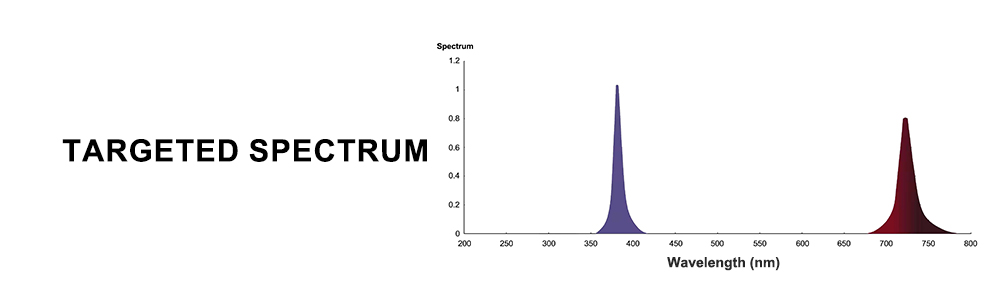
source. Mars Hydro
Types of LED Grow Lights Based on Design
Bar-style LED Grow Lights
A bar-style LED grow light is a long, narrow fixture featuring a series of LED diodes mounted on a slim, rectangular bar. These bars can be connected to create a longer light fixture or arranged in a grid to form a square setup, known as the Multi-Bar-Style light.
Bar-style LED grow lights offer versatility for various applications, from small grow setups and individual plants to large-scale commercial cultivation (with the multi-bar-style). They provide either precise or uniform light distribution, making them ideal for all types of indoor plants.
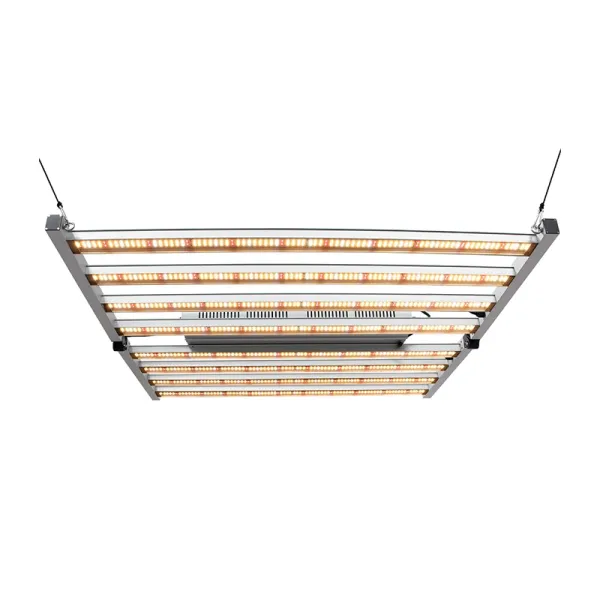
180° Foldable Dimming LED Grow Light Bar
Wattage: 640W
Voltage: 100-277V
PPF: 1600μmol/s
PF: >0.95
Check Details >
Board-style LED Grow Lights
Board-style LED grow lights are a more traditional type of LED grow light, featuring a flat board or panel with multiple LED diodes mounted on it. The Quantum Board is one of the most popular models in this category. These lights, named for their flat, rectangular shape and available in various sizes and configurations, are versatile and suitable for both small grow setups and individual plants.
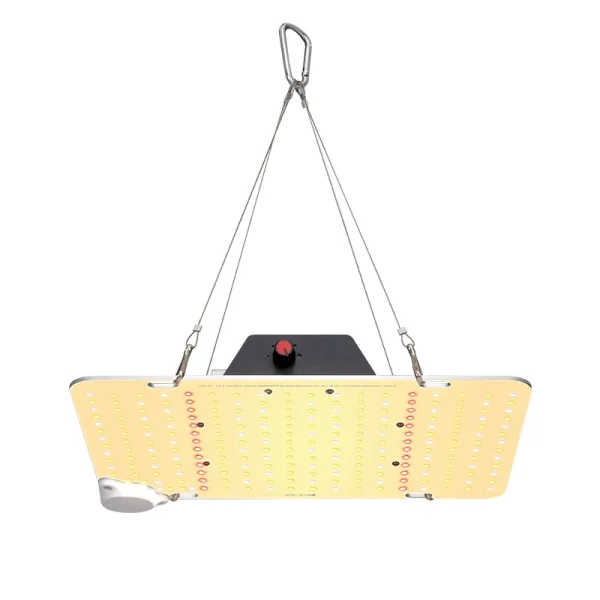
Warm White Light IP65 Quantum Board Grow Light
Wattage: 660W
Voltage: 100-277V
PPF: 1716μmol/s
PF: >0.95/0.98
Check Details >
What Grow Lights Should I Use for My Indoor Plants
What is the best LED grow lights for indoor plants? Given that there are so many plants available, there’s no single answer to this question. However, there are some general rules of thumb to follow, based on the growing stages and plant types.
Best LED Grow Lights for Growing Seedlings
New seedlings and young plants thrive under full-spectrum light, which provides both blue and red wavelengths. LED bulbs are ideal as they stay cool and won’t burn delicate seedlings.
Anything typically requires full sun needs 2,000 to 3,000 lumens of light, including seedlings. For optimal growth, position the light source 4 to 6 inches above your seedlings and keep it on for 16 to 18 hours daily. For easy movement, suspend the light fixture with chains or elevate your plants using a table or DIY seed-starting station.
Best LED Grow Lights for Growing Fruiting and Flowering Plants
Red light waves are crucial for encouraging plants to flower and produce fruit indoors. Look for a full-spectrum bulb that allows you to adjust for more red light. Our top pick is the Foldable LED bulb with an adjustable beam. For a similar option, consider the A60 A80 LED bulb, which offers an enhancement in the 450nm and 660nm peak wavelengths to promote faster growth.
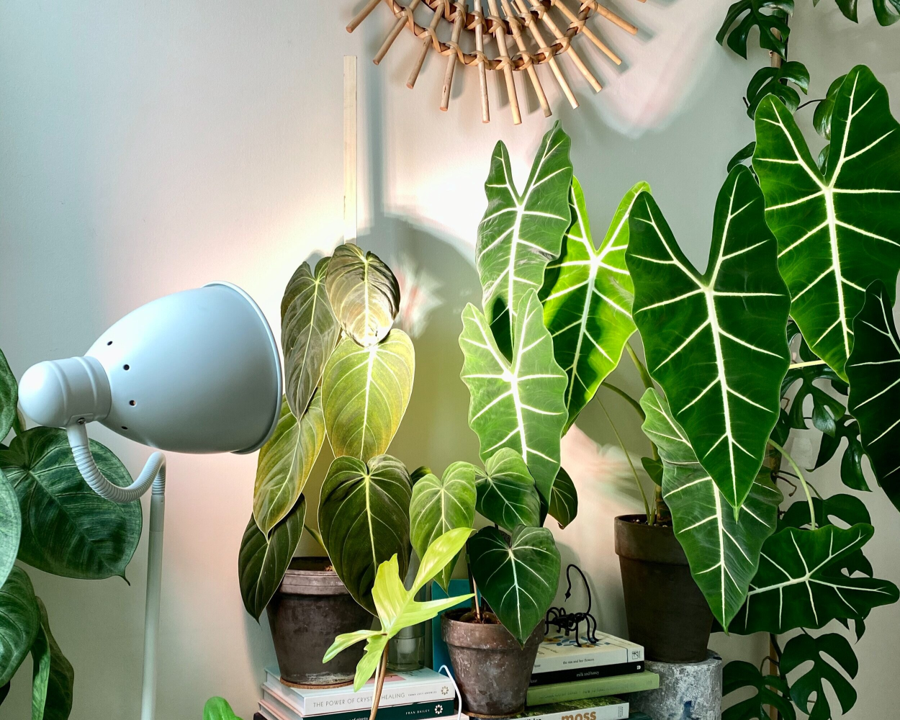
Best LED Grow Lights for Tropical Houseplants
Standard tropical houseplants thrive under full-spectrum fixtures that provide a balanced mix of green and blue light. Most houseplants do well with 20 to 25 watts per square foot, which translates to about 500 lumens per square foot.
Some brands offer plant-friendly high-output LED bulbs, which are typically twice as bright as standard LED grow lights. These ultra-bright lights are ideal for plants native to sunny, dry climates, like cacti, citrus, rosemary, and geraniums.
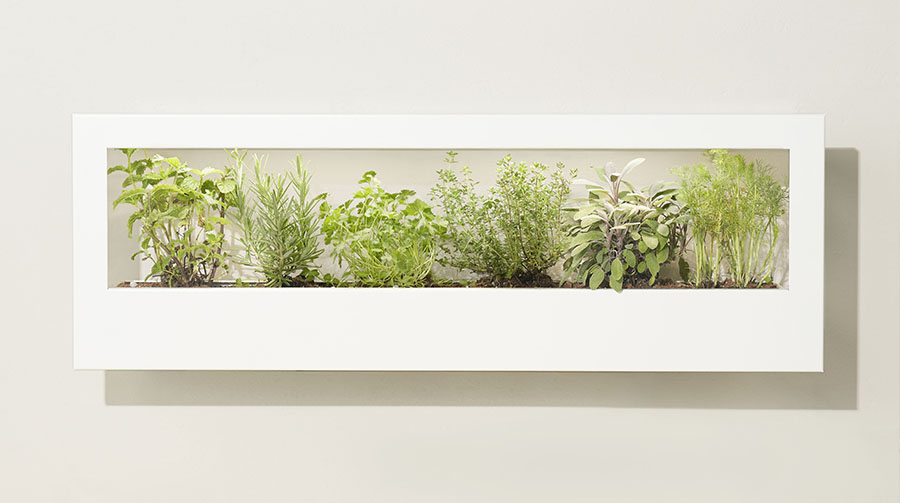
Best LED Grow Lights for Indoor Herb Growing
Most herbs need full sunlight to thrive. While some may do well in a south-facing window, adding supplemental light will almost always enhance herb growth, making the plants less leggy and more productive. Opt for a full-spectrum bulb with over 1,000 lumens per square foot.
For indoor herb growing, our top pick is the Desktop LED Grow Light. It features full-spectrum LEDs at 4300 Kelvin and offers five different planting modes. If you’re interested in year-round edible gardening, consider a wall-mounted grow light or a desktop smart hydroponics garden light.
How to Use LED Grow Lights for Indoor Plants
Now that you have the type of grow lights picked out, here are some suggestions to help you make the most out of them.
Setting up Your Growing Area
How can you ensure your indoor plants get sufficient light? Below are 3 tips on how to best set up your space:
- Assess Your Indoor Garden Area: Whether you’re using a single shelf, a basement corner, or an entire room, consider the space you have. Arrange your plants and bedding accordingly.
- Space Your Plants Properly: Depending on the type of plant, place pots or trays 4 to 8 inches apart. This allows room for growth and makes pruning and care easier.
- Ensure Adequate Lighting Coverage: Calculate the wattage needed to properly illuminate your space. Low-light plants require 10 to 15 watts per square foot, medium-light plants need 15 to 20 watts, and high-light plants thrive with over 20 watts per square foot. Depending on the size, you may need just one light for houseplants, or more.
Grow Light Placement Tips
Hanging or placing lights directly above your plant beds or pots is the most effective setup, as it mimics natural sunlight and ensures that all sides and leaves receive adequate light.
As a rough guide, incandescent grow light bulbs should be positioned at least 24 inches above your plants. Fluorescent lights can be placed 12 inches above, while LED lights can be as close as 6 inches due to their lower heat output.
Adjust the placement of your grow lights as your plants grow and mature to maintain the optimal distance. Always consult the instructions for your specific light model for precise guidance.
Remember, the required lighting level depends on the specific needs of the plants you’re growing. You may need different types of lights at varying heights to accommodate different plant species.
How Long Should A Grow Light Be Left On
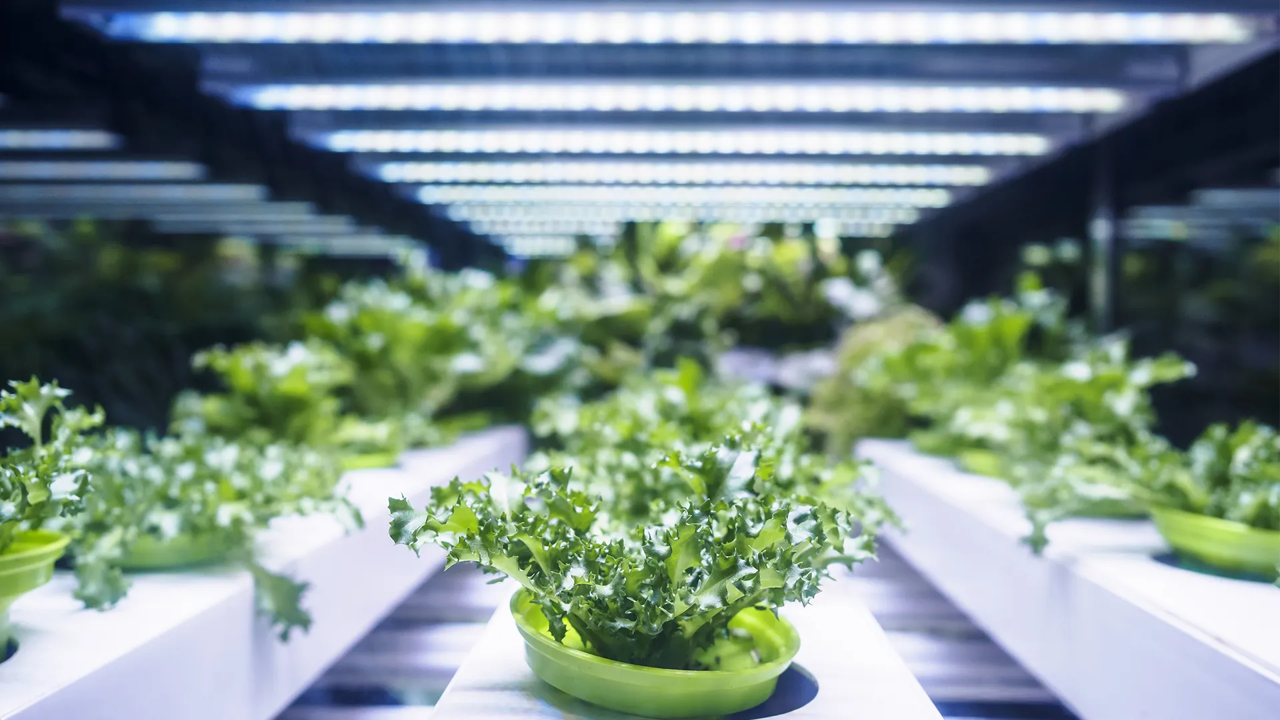
When it comes to how many hours to leave your grow lights on, that depends on what you want to achieve. As a general rule, most vegetables and flowering plants generally need 12 to 16 hours of light per day, with flowering plants requiring closer to 16 hours.
- For consistent foliage growth, aim for 12 to 16 hours of light.
- If you’re using grow lights as supplemental lighting, especially during winter, keep them on for a few hours after sunset.
- Ensure your plants receive at least 8 hours of darkness each day.
- Keep in mind that different types of plants may have varying light requirements.
Darkness is actually crucial for the plant growth cycle. During the day, sunlight enables plants to produce energy through photosynthesis. At night, plants use this energy for growth and flowering in a process known as respiration.
Check your seed packaging, plant tags, or consult with your nursery for specific light requirements. And remember to turn off your grow lights periodically—plants need downtime too!
TIP: Use light timers to automatically turn your grow lights on and off each day.